
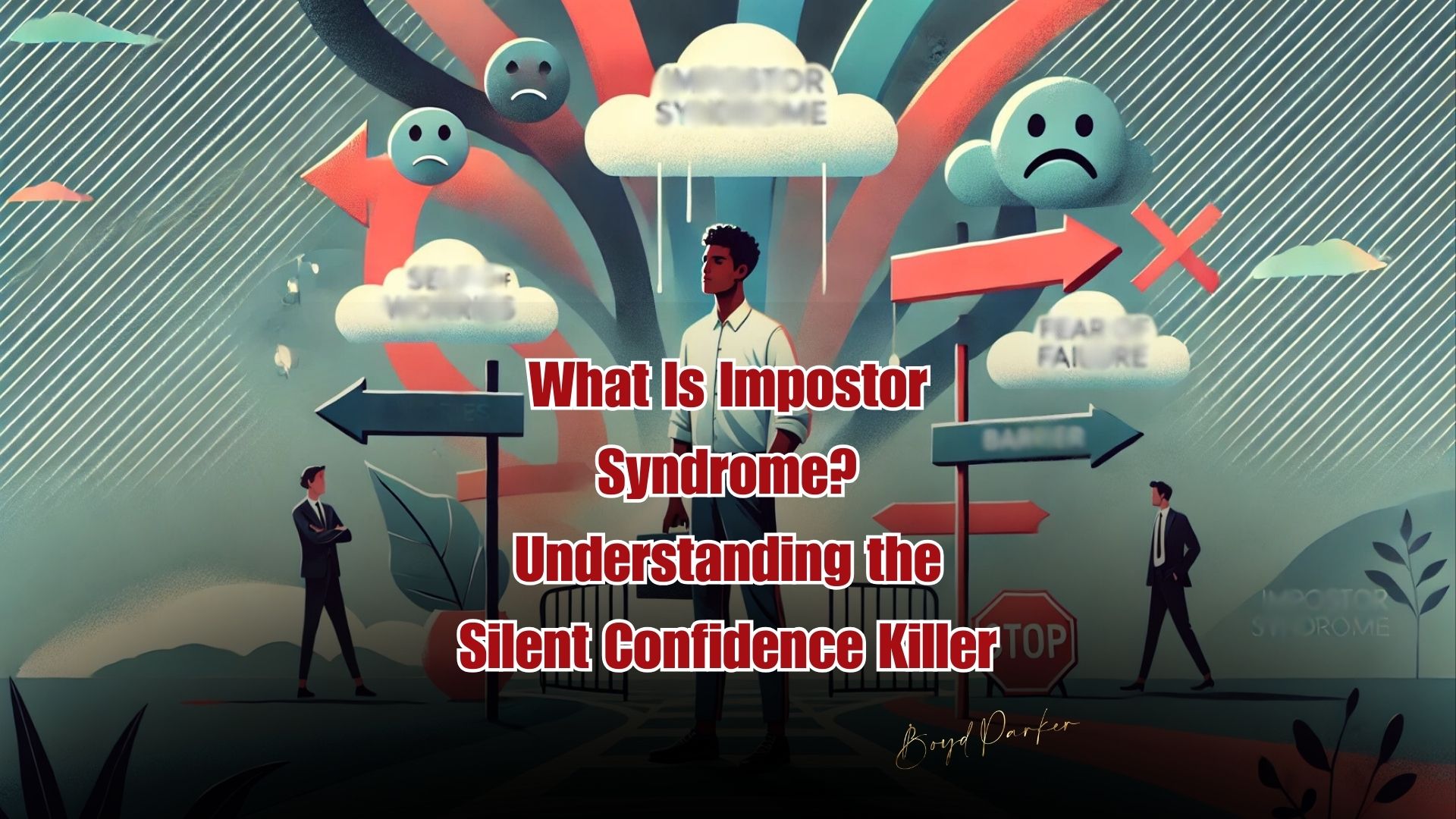
In recent years, the term Impostor Syndrome has gained significant traction, especially in discussions surrounding personal and professional development. It refers to a psychological pattern where individuals doubt their accomplishments and have a persistent fear of being exposed as a fraud. Despite evident success, those experiencing Impostor Syndrome feel undeserving of their achievements, which can be debilitating both personally and professionally.
In this blog post, we will delve into the intricacies of Impostor Syndrome, its common signs, and its profound impact on growth.
Defining Impostor Syndrome
Coined by psychologists Pauline Clance and Suzanne Imes in the late 1970s, Impostor Syndrome primarily affects high-achieving individuals who are unable to internalise their success. They may attribute their accomplishments to luck, timing, or even the efforts of others, rather than recognising their own skills and hard work.
Characteristics of Impostor Syndrome
- Self-Doubt: A constant feeling of inadequacy despite evidence of your capabilities
- Fear of Exposure: An intense apprehension that others will discover they are not as competent as they seem
- Overachievement: Setting excessively high goals and feeling inadequate when those goals are not met
- Discounting Praise: Dismissing compliments as insincere or the result of others not recognising one’s true self
- Comparison: Frequently comparing oneself to peers and feeling inferior in terms of achievements
The Impact of Impostor Syndrome on Personal Growth
Impostor syndrome does not merely affect an individual’s mental state; its ripple effects can stifle personal growth significantly. Here’s how:
- Hindered Self-Esteem: Individuals suffering from impostor syndrome often grapple with low self-esteem. This lack of confidence hampers their ability to pursue new opportunities, as they may feel ill-equipped or unworthy.
- Preventing Risk-Taking: Fear of failure can result in avoidance of challenging tasks or fruitful opportunities. If one feels inadequate, the tendency is to shy away from risks, ultimately hindering personal and professional growth.
- Limited Networking: Impostor syndrome can lead to isolation. Individuals may withdraw from networking opportunities, fearing that they will not be able to contribute meaningfully. This ultimately stifles professional development.
How Impostor Syndrome Affects Professional Growth
- Career Stagnation: High achievers may find themselves stuck in roles or jobs where they do not fully utilise their talents, fearing that advancement may expose their perceived incompetence.
- Burnout: To prove their worth, individuals may overwork themselves, leading to exhaustion and burnout. This counterproductive cycle only reinforces feelings of inadequacy.
- Poor Leadership: Leaders who experience impostor syndrome may struggle to inspire confidence in their teams. Their self-doubt can undermine their authority, causing teams to lack direction and clarity.
Overcoming Impostor Syndrome
- Acknowledge Your Feelings: Take time to reflect on your successes and acceptance of your feelings of inadequacy.
- Seek Feedback: Constructive feedback from peers can help you appreciate your contributions and skills.
- Practice Self-Compassion: Treat yourself with kindness, recognising that everyone has moments of self-doubt.
- Set Realistic Goals: Establish achievable targets that allow for personal growth without unrealistic pressure.
- Connect with Others: Sharing experiences with peers can foster a sense of community and reduce feelings of isolation.
Conclusion
Impostor syndrome is a silent confidence killer that can significantly obstruct both personal and professional growth. By understanding its signs and impacts, individuals can take proactive steps to overcome it. Remember, recognising the immense value of your contributions can pave the way for self-acceptance and fulfilment in every facet of life.
Embrace your journey—a path defined by success, resilience, and the understanding that you are worthy of your achievements.
#ImpostorSyndrome #PersonalGrowth #ProfessionalDevelopment #ConfidenceBuilding #SelfAwareness #MindsetMatters #Resilience #LeadershipDevelopment #SuccessMindset #BoydParker
Read More Related Blogs:
- essential leadership tips for building effective teams
- the role of discipline in achieving long-term success
- impact of student entrepreneurs on the future economy
- how networking influences career and business success
- 6-step guide to bounce back from failure
Leave a Reply